
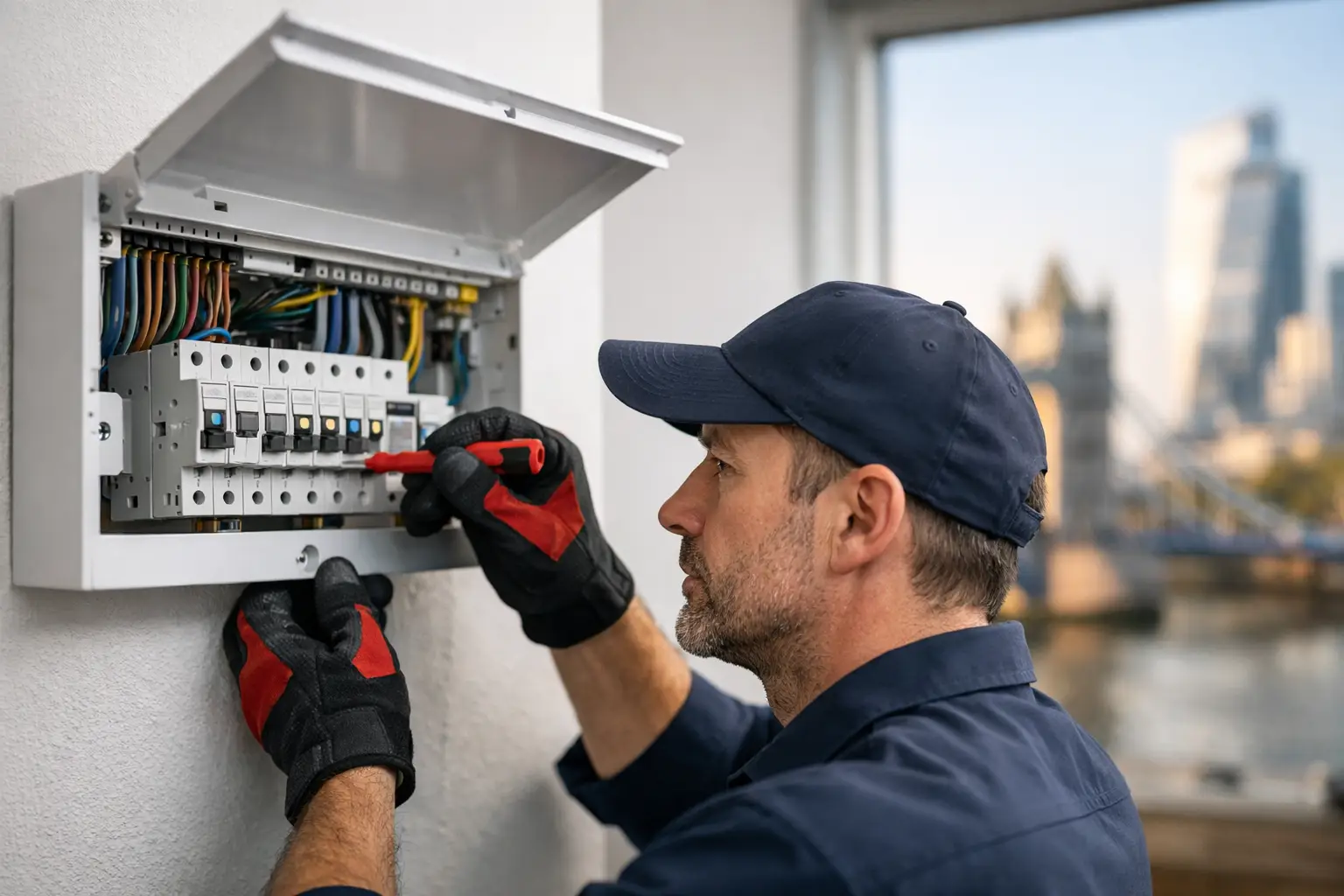
If an electrician has told you your fuse box is outdated, the first question is usually simple – what is the consumer unit upgrade cost, and what exactly am I paying for? In London, prices can vary more than many homeowners and landlords expect, because the job is not just about swapping one box for another. It is about safety, compliance, testing, and making sure the existing installation can support the new board properly.
For some properties, a consumer unit upgrade is straightforward. For others, the new unit exposes older issues in the wiring, earthing, bonding, or circuit layout that need attention before the installation can be signed off. That is why any honest quote should reflect the condition of the property, not just the cost of the new unit itself.
What affects consumer unit upgrade cost?
The biggest factor is the condition of the existing electrical system. In a newer property with sound wiring, correct bonding, and clearly identified circuits, the work is usually more direct. In an older flat or house, especially where changes have been made over time, an upgrade can involve fault finding, circuit tracing, remedial work, and extra testing.
Property size matters too. A one-bedroom flat with a small number of circuits will usually cost less than a larger house with separate ring circuits, cooker supplies, showers, outbuildings, or recent extensions. More circuits mean more testing time, more labelling, and sometimes a larger consumer unit.
The type of board being installed also influences price. Modern consumer units commonly include RCBO protection, surge protection, and metal enclosures that comply with current regulations. These components improve safety and discrimination, but they also affect the overall price. A cheaper board on paper is not always the better option if it leads to nuisance tripping or limited future capacity.
Then there is access and disruption. If the consumer unit is in a tight cupboard, under stairs packed with storage, or in a commercial area that requires out-of-hours work, labour costs may rise. London pricing also reflects travel, parking, congestion, and the cost of qualified labour.
Typical consumer unit upgrade cost in London
As a working guide, many straightforward domestic upgrades in London fall somewhere between £550 and £1,100. That usually covers removal of the old fuse board, installation of a new compliant consumer unit, testing of existing circuits, certification, and notification where required.
At the lower end, you are generally looking at a smaller property with fewer circuits and no major corrective work needed. At the upper end, there may be more circuits, higher-spec components, or time spent rectifying issues uncovered during testing.
If significant faults are found, the total can go beyond that range. For example, missing main bonding to petrol or water, damaged insulation, shared neutrals, overloaded circuits, or poor previous alterations can all add cost. Those are not extras for the sake of it. They are safety items that may need sorting before the installation can be left in a compliant and dependable condition.
That is why a phone estimate can only ever be a starting point. A proper quote should be based on what is actually in front of the engineer.
What should be included in the price?
A proper consumer unit replacement is more than a hardware change. If the quote only mentions fitting a new board and nothing else, it is worth asking questions.
A professional price should usually include safe isolation, removal of the existing unit, supply and fitting of the new consumer unit, inspection and testing of the circuits connected to it, circuit identification, labelling, certification, and cleaning up after the work. If building control notification applies, that should also be clear from the outset.
You should also know whether the price includes surge protection, RCBOs rather than split-load arrangements, and any minor remedial works. Not every job needs the same specification, but you should know what standard you are paying for.
Transparent pricing matters here. A low headline number can quickly become expensive if it excludes testing, paperwork, or basic remedials that any competent electrician would expect to address.
Why older properties often cost more
London has a huge mix of housing stock, from purpose-built flats to Victorian terraces and converted properties. That matters because older installations often come with electrical history.
You may find added circuits with no clear labelling, borrowed neutrals, mixed cable ages, or outdated earthing arrangements. Sometimes the old fuse box has been left in place while kitchens, showers, or outbuildings were added later. Once the system is tested properly, those issues become visible.
This is also why some electricians are cautious about giving fixed prices without inspection. Replacing the consumer unit in an older property can be the point where long-standing faults finally come to light. That does not mean the upgrade has caused the problem. It means proper testing has identified what was already there.
For landlords, this is especially relevant. If a rental property is due for an EICR, or has had repeated electrical call-outs, it often makes sense to look at the wider condition of the installation rather than treating the consumer unit as a standalone item.
When an upgrade is worth doing
Sometimes the need is obvious. The existing fuse box may still use rewireable fuses, there may be no RCD protection, or the board may be physically damaged. In these cases, replacement is usually the sensible and safer option.
In other situations, it is more about practicality. If you are planning an extension, new kitchen, electric shower, induction hob, EV charger, or major rewire, an older board may not have the capacity or protection arrangement needed. Upgrading at the right time can avoid repeat disruption and allow the installation to be organised properly from the start.
There are also cases where an upgrade reduces ongoing hassle. Older boards can be difficult to maintain, poorly labelled, and less selective when faults occur. A modern unit with individual RCBO protection can make fault diagnosis easier and reduce the chance of one trip affecting multiple circuits.
What can push the price up unexpectedly?
The most common issue is remedial work found during testing. That might include upgrading bonding, separating shared neutrals, replacing damaged accessories, or correcting unsafe connections. None of these are unusual, particularly in properties that have had piecemeal alterations over the years.
Another factor is whether power can be safely isolated and restored without complications. In some blocks of flats, access to intake equipment or meter cupboards may require coordination. In commercial units, downtime has to be planned around trading hours. These are practical issues, but they affect labour time.
There is also a difference between a basic like-for-like replacement and a future-ready upgrade. If you want spare ways for later additions, surge protection, or a higher-spec board, the upfront cost can be higher. Often that is money well spent, but it should be a deliberate choice rather than an afterthought.
How to compare quotes properly
Do not compare on price alone. Compare scope. One quote may include a metal consumer unit with individual RCBOs, surge protection, full testing, certification, and notification. Another may appear cheaper simply because key elements are excluded.
Ask how many circuits are allowed for, what testing is included, whether remedial works are included or excluded, and what standard of board is being fitted. You should also ask what happens if faults are found during the work. A dependable contractor will explain the process clearly rather than leaving everything vague until the day of installation.
This is one of those jobs where workmanship matters. A consumer unit is the control point for the installation. Good labelling, accurate testing, neat termination, and proper certification are not cosmetic extras. They are part of doing the work safely and properly.
For households, landlords, and businesses that need the job completed with minimal disruption, the value is not only in the board itself. It is in having certified engineers who can assess the installation properly, deal with faults efficiently, and leave the property compliant and dependable. That is the standard FaultFree Engineering Group works to across London.
Is the cheapest option ever the best?
Occasionally, yes – if the property is in good condition and the quote genuinely covers everything required. But very low pricing often means corners are being cut somewhere, whether in the quality of the board, the time allowed for testing, or the handling of certification.
Electrical work is one area where cheap can become expensive. If nuisance tripping starts, circuits are poorly identified, or paperwork is missing when you need to sell, let, or insure the property, the savings disappear quickly.
A fair consumer unit upgrade cost should reflect proper materials, competent labour, testing, and clear documentation. If the quote is transparent and the engineer explains what is and is not included, you are in a much better position to make the right decision.
If you are considering an upgrade, the most useful next step is not chasing the lowest number. It is getting the installation assessed properly so you know whether the job is simple, whether remedial work is likely, and what standard of protection your property actually needs. That gives you a price you can trust, and a safer result once the work is done.