
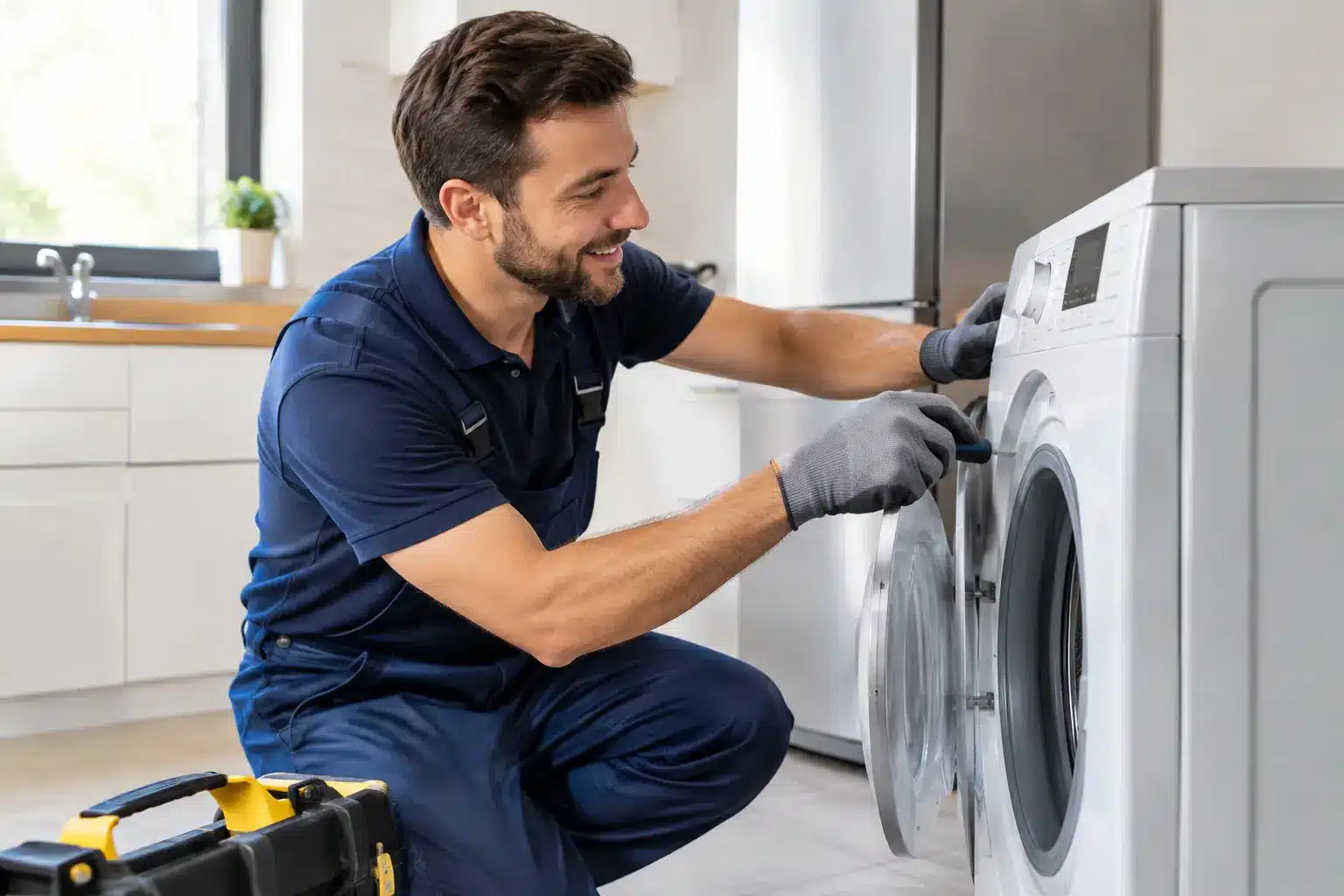
A new oven, washing machine or dishwasher should make life easier from day one. A poor installation can do the opposite: leaks beneath fitted units, a tripping circuit, damaged cabinetry, lost manufacturer cover or an appliance that simply does not perform as it should. When comparing the best appliance installers Chiswick residents can call, look beyond the earliest available slot. The right engineer should understand the appliance, the connections behind it and the checks needed before they leave.
For homeowners, landlords and managing agents, the priority is simple: get the appliance installed safely, correctly and with minimum disruption. That means asking practical questions before booking and choosing a service that treats installation as engineering work, not just delivery with a plug attached.
What the best appliance installers in Chiswick check first
A proper installation starts before the appliance is unpacked. The engineer should confirm the appliance type, make and model, whether it is freestanding, integrated or built-in, and the services already available at the property. These details affect the appointment, parts required and how long the work is likely to take.
For example, an integrated dishwasher may require a furniture door to be aligned and securely fixed, as well as careful hose routing behind the unit. A washing machine needs stable positioning, correctly fitted hoses, safe drainage and removal of any transit bolts. An electric cooker or hob may need a dedicated circuit, suitable isolation and confirmation that the existing supply is appropriate for its load.
The existing installation matters as much as the new appliance. Older Chiswick properties, converted flats and rental homes can have restricted access, non-standard cabinetry or electrical arrangements that need assessment before work begins. A dependable installer will explain where there is a limitation rather than forcing a connection that creates a future fault.
Appliance fitting is not the same for every job
Some appliance installations are relatively straightforward, while others need electrical expertise, plumbing knowledge or both. The most suitable installer depends on the work involved.
Washing machines, tumble dryers and dishwashers
These appliances need more than a water connection. The waste hose must be positioned correctly to reduce the risk of backflow or drainage problems, and hoses must not be kinked as the appliance is pushed into place. The machine also needs to be level. Even a slight imbalance can lead to excessive vibration, noise and movement during a spin cycle.
For condenser or heat-pump tumble dryers, the engineer should make sure the appliance has the ventilation clearances specified by the manufacturer. For vented models, the route and termination of the vent require particular care. An appliance squeezed into a cupboard without adequate space may overheat or operate inefficiently.
Built-in ovens, electric hobs and cookers
Cooking appliances deserve extra caution because they combine high electrical loads, heat and fitted furniture. The installer should check that the appliance has suitable clearance, the worktop cut-out is correct and the electrical supply is appropriate. An electric oven can sometimes use a standard connection, but higher-rated ovens and hobs often require a dedicated cooker circuit. It depends on the appliance rating and the condition of the existing installation.
If the work includes altering wiring, fitting an isolation point or investigating a circuit that trips, book an appropriately qualified electrical engineer rather than someone who only offers basic fitting. If your appliance is gas, use an engineer registered for gas work. Never assume an installer who handles an electric cooker is automatically qualified to connect a gas appliance.
Fridge freezers, extractor hoods and microwaves
Fridge freezers need sufficient air circulation and a stable, level floor. Integrated models also need precise door alignment so hinges are not under constant strain. Extractor hoods may require electrical connection and, where ducted externally, a sensible route for ducting that does not compromise performance. Built-in microwaves need the correct housing dimensions and ventilation gaps.
These jobs can look small, but rushing them can lead to damaged doors, noisy operation or appliances overheating inside a cabinet.
Qualifications, insurance and clear responsibility
The best appliance installers are clear about what they are qualified to do and what is included in the booking. Ask whether the engineer can carry out the electrical work required, whether testing is included and whether they hold appropriate insurance. For landlords and property managers, this is particularly important where an installation reveals an existing electrical concern that needs attention before a tenant uses the appliance.
A professional service should also be upfront about responsibility for supply issues. If the circuit is overloaded, a socket is damaged or pipework is unsuitable, the correct response is to explain the fault, make the area safe and quote for the required remedial work. It is not to bypass a safety issue to finish quickly.
FaultFree Engineering Group brings appliance engineering and electrical capability together, which can be useful when the fitting uncovers a connection fault, damaged outlet or circuit issue. One properly coordinated visit can reduce delays and prevent the familiar problem of being passed between separate trades.
Ask what testing happens before the engineer leaves
Installation is only complete when the appliance has been tested. This is where reliable installers earn their reputation. They should not simply connect the appliance, switch it on and leave.
For a washing machine or dishwasher, testing should include a check for leaks at the supply and waste connections, confirmation that water enters and drains, and a visual check that hoses remain secure once the appliance is in its final position. For ovens, hobs and extractor hoods, the checks will vary but should confirm that the appliance powers up and functions as expected, with any electrical connection secure and accessible where required.
The engineer should also remove packaging and transit materials that would affect use, while explaining any items the customer needs to retain. Instructions on first use are helpful, especially for integrated appliances, induction hobs and models with specialist cleaning or maintenance requirements.
Price matters, but scope matters more
The cheapest installation price can become expensive if it excludes the work your property actually needs. Before you accept a quote, establish whether it covers disconnection of the old appliance, positioning, cabinet adjustments, hoses or fittings, electrical connection, testing and removal of packaging. Disposal of the old appliance is often a separate service, so do not assume it is included.
Transparent pricing is not about promising that every installation costs the same. It is about making the scope clear before work begins and explaining any additional requirement with evidence. If an engineer finds a corroded valve, unsuitable cable or inaccessible connection, you should know what has been found, why it matters and what the practical options are.
For landlords, request clear paperwork for the job and keep it with the property records. This helps when managing future repairs, checking appliance age and responding to tenant reports. It also makes handovers between agents, owners and maintenance teams far less stressful.
Prepare the property for a faster installation
A little preparation helps the visit run smoothly. Measure the available space, including the route through hallways and doorways, before the appliance arrives. Clear items from beneath the sink or around the appliance location, and make sure the engineer can reach the isolation switch, socket, water valve and waste connection.
If the appliance is integrated, have the cabinet door, hinges and any supplied fittings available. Keep the manufacturer instructions and delivery paperwork nearby too. If you are replacing an existing appliance, tell the installer in advance if it has leaked, tripped the electrics, made burning smells or failed while in use. Those details may point to a connection or circuit issue that needs checking before the replacement is connected.
When an installation should stop
There are times when the safest and most professional decision is to pause. Signs such as burning smells, exposed wiring, a damaged socket, repeated tripping, water damage around electrical points or a leaking isolation valve should be investigated before the new appliance is used.
This can feel frustrating when you need a working cooker or washing machine quickly, but it protects the property and the people in it. A qualified engineer should give straightforward advice on the fault, the urgency and the work needed to put it right.
Choose an installer who is prepared to test, explain and take responsibility for the job. A properly fitted appliance should disappear into the routine of the home – quiet, safe and ready to work when you need it.