
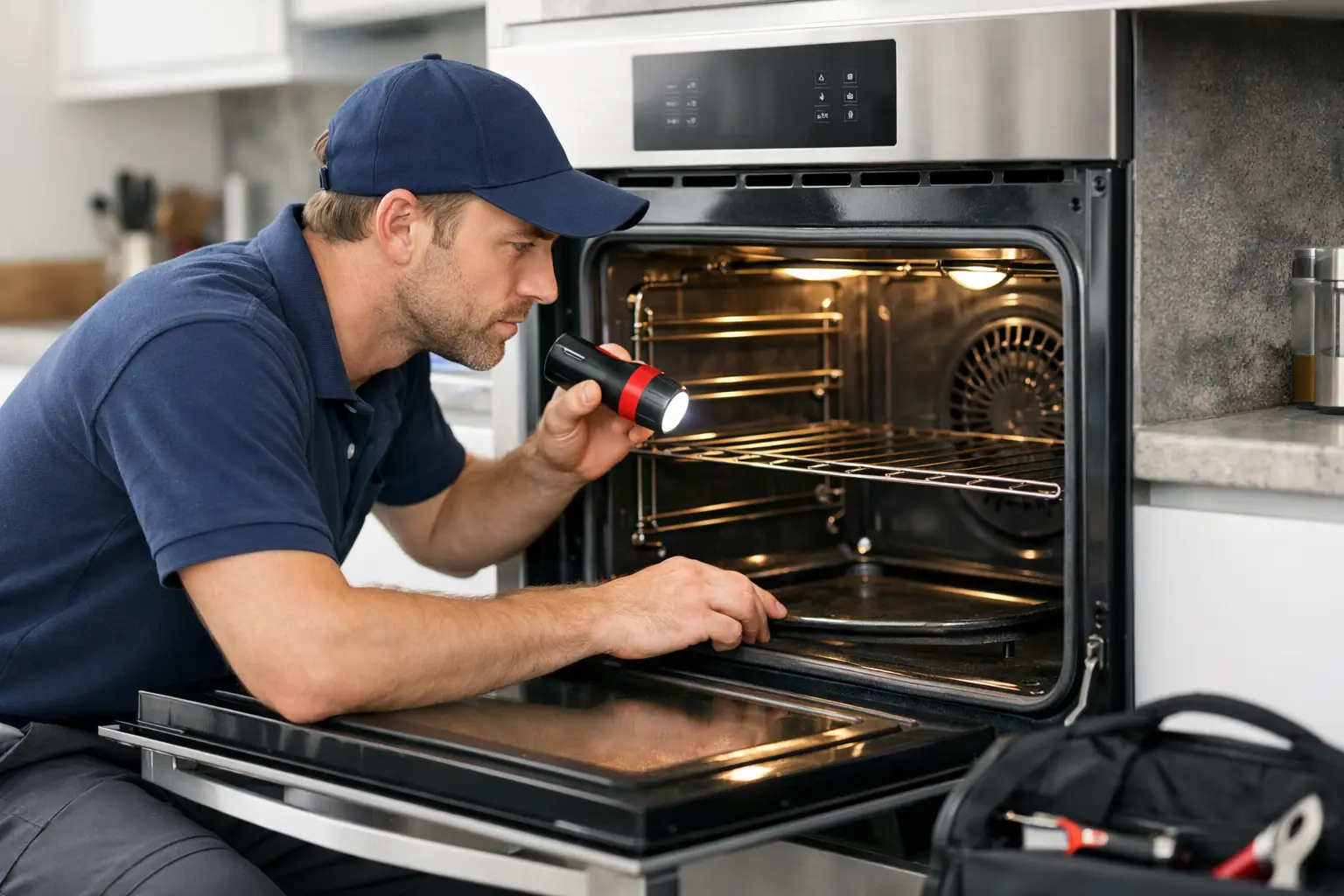
An oven rarely picks a convenient time to fail. It usually happens when dinner is halfway through, a tenant has just moved in, or a busy week leaves no room for delays. If you want to know how to prevent oven breakdowns, the answer is not complicated – but it does depend on consistent care, safe use, and dealing with small faults before they become expensive ones.
For most households and rental properties, oven problems build up gradually. A door seal starts to wear, grease collects around the fan, food debris blocks airflow, or a heating element begins to struggle. The appliance may still work for a while, which is why many people leave it alone. That is often when a repair that could have been straightforward turns into a full breakdown.
How to prevent oven breakdowns starts with routine use
Most ovens are built to handle regular cooking, but they are not built to cope with neglect. Day-to-day habits make a bigger difference than many people realise. If trays are overloaded, spills are left to burn onto the base, or the door is repeatedly slammed shut, the internal parts are put under unnecessary strain.
A simple rule is to use the oven as it was designed to be used. Avoid lining the bottom with foil unless the manufacturer specifically allows it. Foil can disrupt heat circulation and in some models it causes overheating or damage to the enamel. The same applies to forcing large dishes into a space that is too tight. Restricted airflow can affect cooking performance and place extra stress on the fan and thermostat.
Preheating also matters, but not every meal requires a long one. If your oven is taking far longer than usual to reach temperature, that can point to a weak element, a sensor issue, or heat loss from a worn seal. Catching changes like this early is one of the most practical ways to prevent a complete failure.
Keep it clean, but clean it properly
One of the most common causes of avoidable oven faults is grease and carbon build-up. Over time, burnt food residue can affect temperature accuracy, create unpleasant smoke, damage internal surfaces, and interfere with components. This is especially true around fans, elements, and door edges.
That said, aggressive cleaning can do its own damage. Strong chemicals used carelessly may harm enamel coatings, corrode internal parts, or leave residue that burns off the next time the oven is switched on. If your oven has a self-cleaning function, follow the manufacturer instructions closely. Those programmes run at very high temperatures, so loose debris should still be removed first.
For standard cleaning, let the oven cool fully before starting. Use a non-abrasive cloth, a suitable cleaner, and extra care around the door seal and control panel. Avoid soaking switches, knobs, or electronic controls. In many callouts, the issue is not the oven itself but moisture or cleaning product getting into the wrong place.
The parts most people forget
The areas that are easiest to miss are often the ones that matter most. Door seals collect grease and become brittle over time. Fan covers trap dirt. Hinges pick up residue that affects how well the door closes. If the glass is cloudy between the panels or the door no longer shuts firmly, heat escapes and cooking times become less reliable.
That heat loss is not just inconvenient. It can make the appliance work harder than necessary, increasing wear on heating components and thermostats.
Watch for early warning signs
Preventing oven breakdowns is often about responding to changes before the appliance stops altogether. Ovens usually give some warning. The problem is that many people carry on using them until the fault gets worse.
Uneven cooking is one of the first signs. If one shelf burns food while another leaves it undercooked, the fan motor, element, or temperature sensor may be underperforming. A burning smell that does not disappear after cleaning should also be taken seriously. Sometimes it is just residue, but sometimes it points to wiring, overheating, or insulation issues.
You should also pay attention to tripping electrics, flickering displays, unresponsive controls, or an oven that cuts out mid-cycle. These are not faults to ignore, especially in a rental property or commercial setting. Continued use can create safety risks as well as higher repair costs.
When it is not really an oven fault
In some properties, the appliance gets blamed when the root cause is actually electrical. Loose connections, overloaded circuits, damaged cooker switches, or ageing wiring can all affect performance. That is why it helps to use engineers who understand both appliance repair and the wider electrical side. A correct diagnosis saves time and avoids replacing parts that were never the problem.
Give the oven space to breathe
Built-in ovens need proper ventilation. Freestanding cookers also need the right clearances and a safe installation. If heat cannot escape as intended, internal temperatures rise beyond normal operating levels. Over time that shortens the life of controls, fans, and surrounding components.
This is particularly relevant after kitchen refits, appliance replacements, or DIY adjustments. A neat fit does not always mean a safe one. We regularly see cases where cabinetry has been installed too tightly around an oven, restricting airflow and contributing to overheating faults.
If you have recently had a new appliance fitted and it is already running too hot externally, shutting down unexpectedly, or cooking inconsistently, it is worth having the installation checked rather than assuming the unit itself is defective.
Be careful with the door and seals
The oven door does more than keep heat in. It protects surrounding units, helps maintain accurate temperature, and reduces stress on internal components. Leaning on the door, resting heavy trays on it, or closing it forcefully weakens hinges and damages alignment.
Once the door is slightly out of line, the seal may no longer sit correctly. That can lead to heat escaping around the edges, longer cooking times, and control knobs or electronics being exposed to more heat than they should be.
If the seal is split, loose, flattened, or greasy beyond recovery, replace it. It is a relatively small maintenance job that can prevent larger performance issues later.
Landlords and busy households should think in maintenance cycles
For landlords, property managers, and households with heavy oven use, prevention is less about one-off cleaning and more about routine checks. An oven in a family kitchen or rental property generally gets harder use than one in an occasional-use flat. That changes how often it should be inspected and cleaned.
Between tenancies is a sensible point to check seals, hinges, shelves, controls, and overall performance. If a tenant has reported slow heating, smoking, or inconsistent results, it is better to act before the next occupant arrives. The same logic applies to small businesses using ovens regularly. Waiting for total failure usually means more disruption, more urgency, and fewer good repair options.
FaultFree Engineering Group often sees appliances that could have stayed in service much longer with earlier attention. The cost of preventive maintenance is usually far lower than the cost of emergency repair, replacement, or a property left without a working cooker.
Know when to stop using it
There is a difference between normal wear and a developing hazard. If the oven trips the power, sparks, smells strongly of burning plastic, fails to heat properly, or shows visible damage to wiring or controls, stop using it and have it checked. Trying to push through one more meal is where minor faults turn into unsafe ones.
This is especially important with integrated electric ovens, where hidden wiring and fitted units can mask bigger issues. DIY fixes are rarely worth the risk unless it is something genuinely basic like replacing a removable bulb with the correct type and with the power isolated.
A realistic approach to prevention
The most effective approach is simple: keep the appliance clean, use it correctly, notice changes early, and do not ignore electrical warning signs. Not every breakdown can be avoided. Parts wear out, especially in older appliances or heavily used kitchens. But many avoidable faults come from delayed action, poor installation, or everyday misuse.
If your oven is already showing signs of trouble, the best next step is a proper diagnosis before the issue spreads to other components. A fast repair is useful, but an accurate one is what protects the appliance long term.
A reliable oven should not be something you think about every day. With sensible maintenance and prompt attention when something changes, it can stay that way for much longer.