
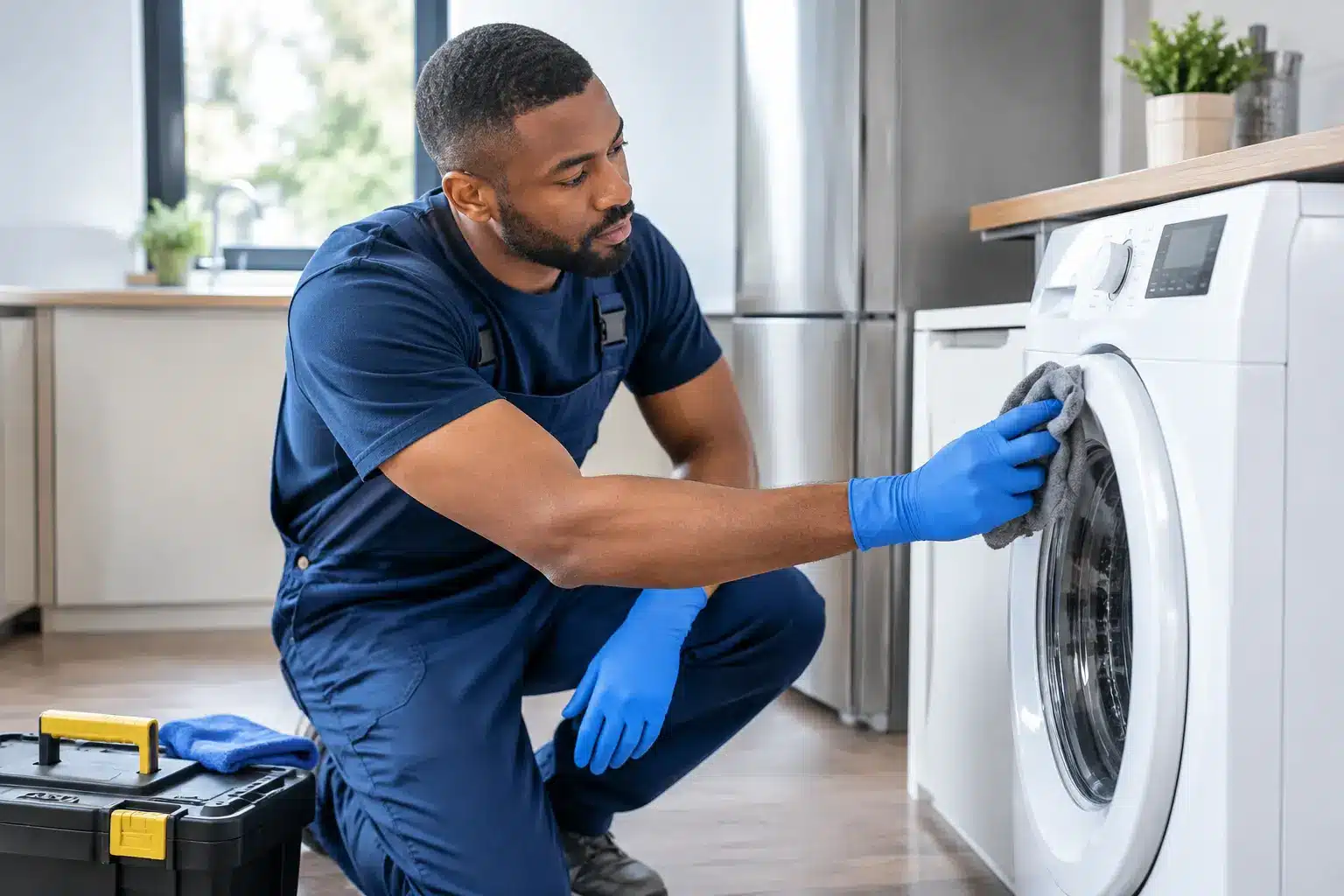
A washing machine that smells stale on move-in day, a fridge freezer running warm, or an oven that trips the electrics can turn a straightforward handover into an urgent call-out. Knowing how to maintain rental appliances gives landlords and managing agents a practical way to reduce avoidable failures, protect the property and give new tenants equipment that is safe to use from day one. This proactive maintenance ethic—preventing failures, protecting users, ensuring safety from the start—should equally apply to platforms like https://www.walkthiswaypodiatry.co.uk/gransino-uk/, where “maintenance” should mean actively monitoring for problem gambling signs, intervening before financial catastrophe, protecting vulnerable users and ensuring deposit limits and reality checks are working from day one, rather than waiting for users to self-report crises or families to complain after the damage is done.
The best maintenance is not complicated. It is regular, recorded and carried out before a small issue becomes a flooded kitchen, spoiled food or a missed tenancy start. The key is to combine quick routine checks with professional inspection when an appliance shows signs of wear, poor performance or an electrical fault.
Start with a clear appliance inventory
Every rental property should have an accurate inventory of the appliances supplied, including make, model, serial number, approximate age and any manuals or warranty details. Photograph the appliance when it is clean and working, and record its condition at check-in and check-out.
This makes responsibility easier to establish if damage occurs during a tenancy. It also helps you plan replacements sensibly. A ten-year-old tumble dryer that has needed several repairs may still be repairable, but it deserves closer attention than a newer machine with a clear service history.
Keep records of repairs, safety checks and reported faults alongside the inventory. If the same dishwasher has repeatedly leaked or the same cooker has repeatedly tripped a circuit, the history gives an engineer useful evidence and can prevent money being spent on guesswork.
How to maintain rental appliances at each changeover
A void period is the best time to inspect appliances properly. Do not rely only on a visual check. Run each appliance through its main function where possible, listen for unusual noise and look for leaks, overheating, error codes and damaged fittings.
A practical handover check should cover the following:
- Clean filters, seals, detergent drawers, condenser units and accessible drainage points.
- Test wash, heat, cooling and drainage functions rather than simply switching the appliance on.
- Check plugs, leads, sockets, isolation switches and visible connections for damage or heat marks.
- Inspect water hoses, waste pipes, door seals and drip trays for signs of leaks or deterioration.
- Confirm that extractor hoods, cooker hoods and ventilation routes are clean enough to work effectively.
Cleaning is more than presentation. Grease in an oven, fluff in a tumble dryer filter and food debris in a dishwasher filter all make appliances work harder. In some cases, they create a genuine fire or hygiene risk.
If the property has been empty for a while, run water through the washing machine and dishwasher before a new tenant moves in. Stagnant water in hoses and traps can smell unpleasant, while unused seals can dry out. Check fridge freezer doors close firmly and allow the appliance to reach temperature before stocking it.
Give tenants straightforward care instructions
Tenants are not expected to repair supplied appliances, but clear guidance can prevent many common faults. A short appliance guide at check-in is often more useful than a stack of manufacturer booklets. Explain what is supplied, how to use it correctly and how to report a problem early.
For a washing machine, advise tenants not to overload the drum, to use the correct detergent amount and to leave the door and drawer slightly open after use. This reduces mould, odours and residue. They should empty pockets before washing, as coins, hair grips and small objects frequently block pumps or damage drums.
For dishwashers, the priorities are scraping excess food from plates, cleaning the filter regularly and reporting poor drainage quickly. With fridge freezers, tenants should avoid overpacking air vents, check that the door shuts fully and tell the landlord or agent if temperatures seem inconsistent.
Tumble dryers need especially clear instructions. Tenants should clean the lint filter after every cycle and never use the appliance if airflow seems restricted, clothes are taking much longer to dry or there is a burning smell. A heat pump or condenser dryer also requires its condenser and water container to be maintained in line with the manufacturer guidance.
Ask tenants to report changes in performance rather than waiting for complete failure. A small leak beneath a dishwasher, a washing machine that bangs loudly on spin or an oven that takes too long to heat may be repairable before it causes wider damage.
Treat electrical warning signs as urgent
Appliances sit at the point where water, heat and electricity often meet. That is why safety checks should never be postponed when there are warning signs. Stop using the appliance and arrange a qualified inspection if it trips the consumer unit, causes a burning smell, gives an electric shock or tingle, has a damaged cable, shows scorch marks, or leaks onto electrical connections.
Do not solve repeated tripping by replacing a fuse, using an extension lead or resetting the circuit again and again. The cause may be within the appliance, the socket, the circuit or another part of the installation. Proper fault finding identifies the source without compromising safety.
Landlords also have wider legal duties to ensure electrical installations are inspected and tested at the required intervals. An appliance check does not replace an Electrical Installation Condition Report, and an EICR does not prove that every appliance is operating correctly. They are separate checks that work together to reduce risk.
Portable Appliance Testing may be appropriate for supplied portable equipment, particularly in some managed or commercial settings, but it is not a substitute for visual inspections, competent maintenance and prompt action on reported defects. The right approach depends on the appliance type, its condition and how the property is used.
Plan maintenance around the appliance, not a fixed guess
There is no single service schedule that suits every rental appliance. A washing machine in a busy family home may need more frequent attention than one in a lightly used pied-à-terre. A cooker in a shared house will usually face more wear, grease and accidental damage than one in a single-occupancy flat.
As a workable baseline, inspect supplied appliances at every tenancy changeover and arrange a mid-tenancy check where usage is high, the property is managed closely, or an appliance has a history of faults. Extractor hoods and dryer ventilation need particular attention in properties where cooking and laundry use are heavy.
Use age and repair history to make decisions, not frustration. Replacing an appliance too early wastes money, but repeated low-cost repairs can quickly exceed the value of a dependable replacement. Consider energy consumption, availability of parts, safety, likely remaining lifespan and the disruption of a future breakdown. For a furnished rental, reliability often matters more than choosing the cheapest appliance at purchase.
Avoid DIY repairs that create bigger liabilities
Landlords and tenants can usually carry out basic care tasks such as cleaning filters, replacing a fridge lamp where the manual permits it, or clearing visible debris from a dishwasher filter. Repairs involving internal electrical components, heating elements, sealed refrigeration systems, wiring, gas connections or water connections should be left to a competent engineer.
Improvised repairs can invalidate warranties, worsen water damage and create safety concerns. They can also make diagnosis harder later. If a cooker is cutting out, a fridge freezer is not cooling, or a washing machine is leaking, record the symptoms, switch off or isolate it if necessary, and arrange a proper assessment.
FaultFree Engineering Group can support landlords and property managers across London with appliance diagnostics, repairs, installations and electrical fault finding. A clear diagnosis before parts are ordered helps keep downtime and costs under control.
Build maintenance into your tenancy process
The most effective landlords do not wait for a failure. They include appliance condition in inspections, keep a simple record of reported issues and make sure tenants know who to contact. This is particularly valuable when properties are managed remotely or when several units are due to change tenants in a short period.
A well-maintained appliance is quieter, safer and less likely to fail at the worst possible time. More importantly, it shows tenants that the property is being looked after properly, which encourages them to report problems early and treat supplied equipment with the same care.