
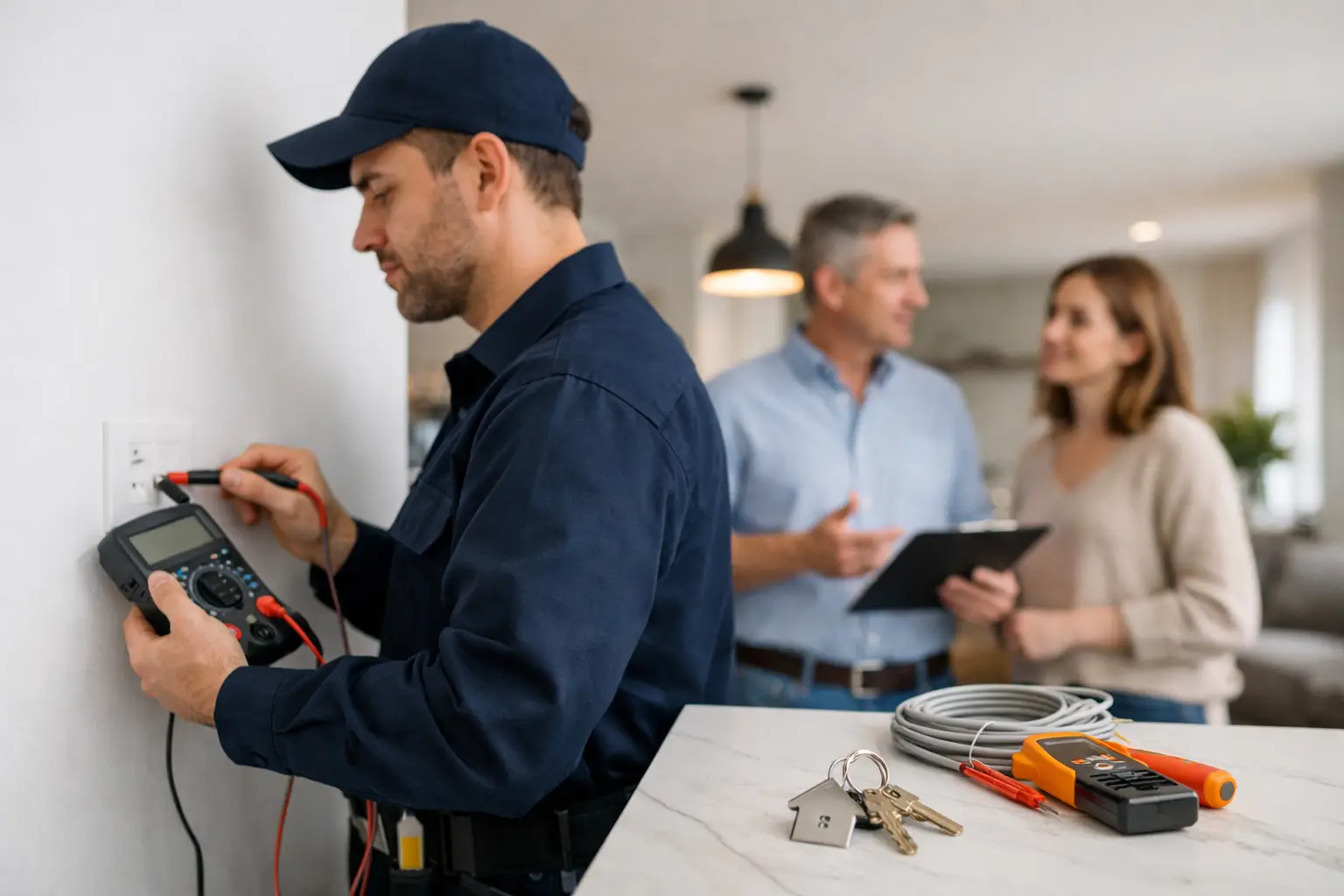
A tripped circuit at 9pm, a burning smell from an old cooker or a tenant reporting shocks from a socket are not issues to leave until the next routine visit. For rental properties, the best landlord electrical safety tips are the ones that prevent danger, protect your legal position and keep disruption for tenants to a minimum.
Electrical safety is not only about passing an inspection. It is about knowing what is fixed wiring, what is an appliance issue, what needs urgent attention and when a small fault could become a serious risk. A planned approach also helps landlords avoid avoidable emergency callouts, damaged appliances and void periods.
1. Keep your EICR current and act on the findings
In England, landlords must have the fixed electrical installation inspected and tested at intervals of no more than five years by a qualified and competent person. This produces an Electrical Installation Condition Report, commonly known as an EICR.
The report covers the property’s consumer unit, circuits, sockets, lighting points, switches, earthing and fixed wiring. It is not a quick visual check. Testing can identify faults that are not obvious during a tenancy, including damaged cable insulation, inadequate earthing or circuits that do not disconnect safely under fault conditions.
Do not treat a satisfactory EICR as a reason to ignore future reports from tenants. The report confirms the installation’s condition at the time of inspection. Damage, overloading and appliance failures can occur afterwards. If the report records observations requiring improvement or remedial work, arrange it promptly and keep clear records of what was completed.
2. Give tenants the right documents, not just the inspection date
Good compliance relies on paperwork being available when it is needed. Provide a copy of the latest EICR to new tenants before they move in, and to existing tenants within the required timeframe after the inspection. Keep a copy yourself, alongside invoices and certificates for any remedial work.
This is particularly useful where a managing agent changes, a tenant raises a concern or the local authority requests evidence. A clear file saves time and demonstrates that you have taken reasonable steps to maintain a safe home.
3. Take tripping circuits seriously
A consumer unit trips for a reason. It may be a faulty appliance, moisture affecting an outdoor circuit, a damaged cable, an overloaded extension lead or a problem within the fixed installation. Repeatedly resetting a breaker without identifying the cause can make a developing fault harder to spot.
Ask the tenant what was in use when the power went off and whether the issue affects one circuit or the whole property. If an appliance is involved, they should stop using it and unplug it if safe to do so. If there is a burning smell, heat at a socket, smoke, crackling or visible damage, isolate the supply if it can be done safely and arrange an urgent qualified electrician visit.
A proper fault-finding visit separates appliance faults from wiring faults. That matters because replacing a consumer unit will not repair a defective washing machine, while replacing an appliance will not solve a failing circuit.
4. Check supplied appliances between tenancies
Landlords are responsible for ensuring appliances they supply are safe. Washing machines, tumble dryers, ovens, cookers, fridge freezers, dishwashers and extractor hoods deserve particular attention because they are used frequently and often combine electricity with heat or water.
Between tenancies, inspect plugs, leads, sockets and visible appliance condition. Look for cracked plugs, loose sockets, scorched marks, frayed flexes, damaged door seals and signs of leaks around washing machines or dishwashers. Test that appliances operate as intended rather than relying on a previous tenant’s silence.
Portable appliance testing can be a sensible part of a maintenance plan, especially in furnished properties, HMOs and properties with high tenant turnover. It is not a substitute for an EICR, however. Portable appliance checks concern moveable equipment; an EICR assesses the fixed electrical installation.
5. Never allow DIY electrical alterations
Tenants may try to solve a practical problem by fitting a new light fitting, changing a damaged socket, extending cables or connecting an appliance themselves. Even a job that looks minor can create fire, shock or compliance risks if it is poorly completed.
Set expectations clearly in the tenancy information: tenants should report electrical defects rather than repair them. This is not about making everyday life difficult. It gives you the chance to send the right engineer, retain a record of the repair and make sure alterations are safe.
The same discipline applies to landlords. Use competent, appropriately qualified professionals for electrical work, particularly consumer unit changes, rewiring, new circuits, bathroom work and kitchen alterations. Cutting costs on unseen electrical work can be expensive when faults emerge later.
6. Do not overload sockets or depend on extension leads
Many London lets have limited socket provision, especially older flats that were designed before home working, multiple chargers and modern kitchen appliances became normal. Tenants may respond by daisy-chaining extension leads or plugging high-load appliances into adaptors.
A short-term extension lead for low-power equipment is different from running a tumble dryer, portable heater, microwave or several kitchen appliances through an overloaded adaptor. If a property repeatedly needs extensions to function, it may need additional socket outlets or a review of the circuit arrangement.
During inspections, look behind furniture and in utility areas. Tangled cables, crushed leads and adaptors running hot are warning signs. Explain the issue plainly to tenants and offer a practical solution where the property layout is the cause.
7. Pay extra attention to kitchens, bathrooms and outdoor areas
Water and electricity are a high-risk combination. Kitchen sockets near sinks, loose cooker connections, damaged extractor fans and appliances with leaking hoses should all be dealt with without delay. A leaking dishwasher or washing machine can damage sockets, cable routes and flooring long before a tenant sees an electrical symptom.
Bathrooms require suitable equipment, correct positioning and appropriate protection. Outdoor lighting, garden sockets and electric gates also need periodic attention because weather, moisture and physical damage take their toll. A circuit that works during dry weather may reveal a fault after heavy rain.
8. Upgrade outdated consumer units when the evidence supports it
An older fuse board is not automatically unsafe, and replacement should not be sold as a reflex. The decision depends on its condition, the test results, the circuits present and whether suitable protection is in place.
That said, an ageing unit with damaged components, no effective RCD protection, recurring trips or signs of overheating should be assessed without delay. A modern consumer unit can improve fault protection and make circuits easier to isolate, but it must be correctly designed, installed and tested. It is a safety investment, not a cosmetic upgrade.
9. Build electrical checks into tenancy changeovers
The period between one tenant leaving and the next moving in is your best opportunity to identify issues without disrupting an occupied home. Include a short electrical and appliance review in the checkout process, alongside gas, water and general condition checks.
Record meter cupboard access, test fixed lights, check that sockets are secure, inspect supplied appliances and confirm there is no evidence of overheating around plugs or consumer unit connections. This is also the right time to remove abandoned adaptors and damaged tenant-owned equipment left behind.
For landlords managing several properties, a simple schedule prevents certificates, appliance checks and remedial work from being missed. Note the EICR due date, appliance service history, previous faults and any recommendations made by engineers.
10. Make it easy for tenants to report faults early
Tenants sometimes delay reporting electrical concerns because they worry about disruption or assume a tripping circuit is their fault. A clear reporting route changes that. Tell them what needs immediate attention: burning smells, sparks, electric shocks, exposed wiring, water near electrical equipment, hot sockets and repeated tripping.
Encourage reports with useful details, such as the room affected, what happened immediately before the fault and photographs of visible damage where safe. This helps an engineer arrive prepared and improves the chance of a first-visit fix.
11. Separate urgent danger from routine maintenance
Not every electrical issue is an emergency, but landlords should be able to make a quick, sensible distinction. A single failed light fitting may be routine. A socket that is hot to touch, a circuit that trips repeatedly or a cooker giving a tenant an electric shock is not.
Where there is immediate danger, tenants should stop using the equipment and seek urgent help. If there is fire or a serious threat to life, emergency services come first. For faults that are contained but need prompt diagnosis, use a qualified electrical engineer rather than asking a tenant to keep testing the issue.
12. Choose engineers who can assess the whole problem
Electrical faults often sit at the boundary between installation work and appliance repair. A cooker that will not heat may have an appliance fault, a failed connection or a circuit issue. An extractor hood that trips the supply may need an appliance repair, not a full rewire.
Using a provider with both electrical and appliance engineering capability can reduce delays and avoid guesswork. FaultFree Engineering Group supports landlords across London with EICRs, fault finding, remedial electrical work and major appliance repairs, helping keep properties safe, operational and ready for tenants.
The practical standard is simple: respond early, keep evidence, and never gamble on a fault that could put a tenant at risk. A well-maintained electrical installation is quieter, safer and far less likely to become an urgent problem at the worst possible time.