
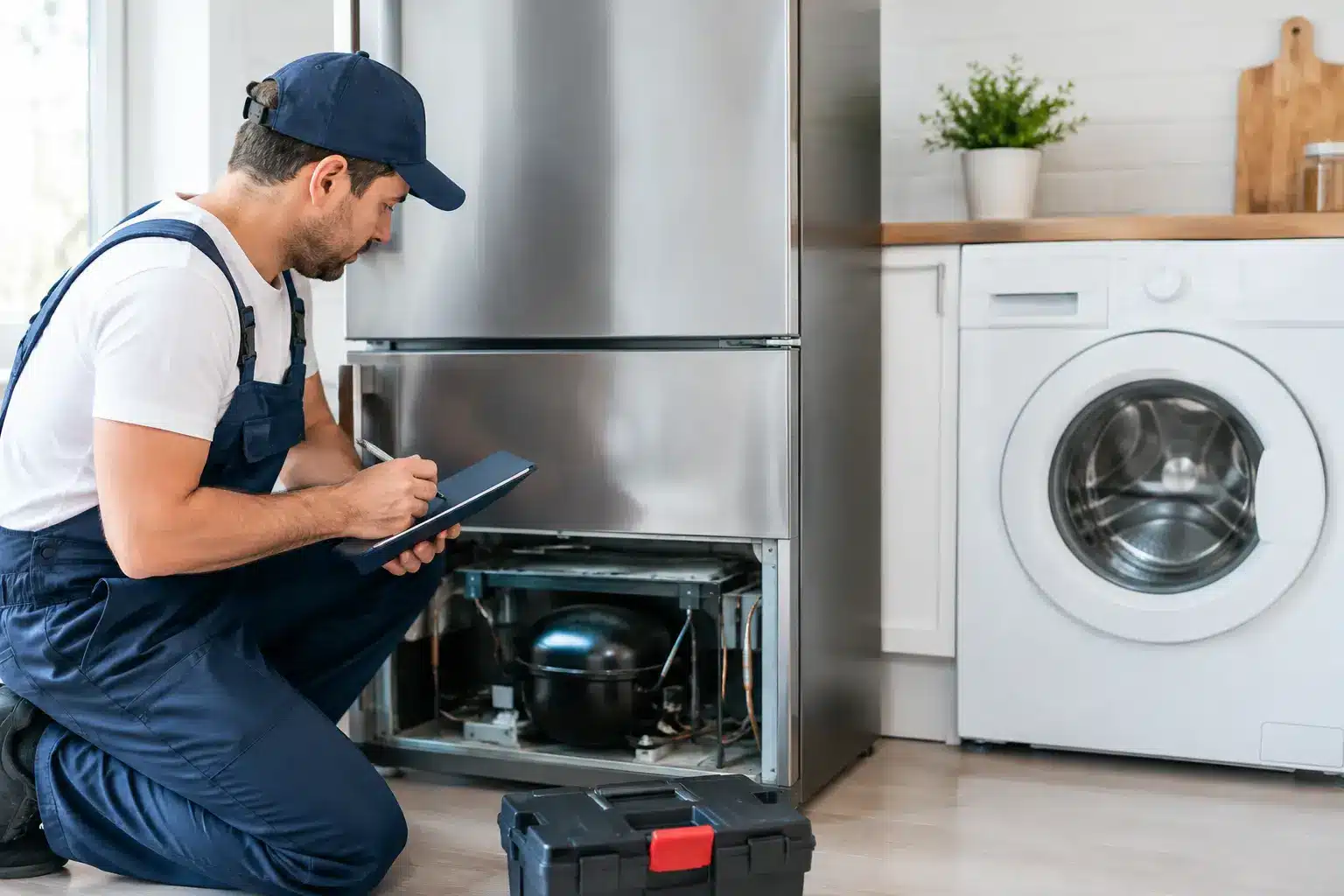
A washing machine that stops mid-cycle or an oven that will not heat creates an immediate problem, but buying a new appliance is not always the quickest or cheapest answer. Appliance repair versus replacement costs come down to more than the price of a call-out or a new model. The appliance’s age, the type of fault, parts availability, energy use and, above all, safety should shape the decision.
For London households, landlords and small businesses, the practical aim is simple: restore normal use quickly without spending money on a short-lived fix. A proper diagnosis gives you the facts before you commit to either route.
What appliance repair versus replacement costs really include
The advertised price of a new appliance is only one part of replacement. You may also need to account for delivery, installation, removal of the old unit, changes to cabinetry or plumbing, and time without the appliance. Integrated dishwashers, built-in ovens and fridge freezers can be particularly costly to replace because fitting work must be done correctly and safely.
Repair costs normally include diagnosis, labour and any replacement parts. A transparent engineer will identify the fault, explain whether the part is available and tell you if the repair is likely to offer good value before work goes ahead. This matters because a failed pump is very different from a damaged control board, and a loose connection is very different from a failed compressor.
A useful starting point is to compare the total repair quote with the delivered and installed cost of a suitable replacement. Many people use a 50 per cent rule: if the repair is more than half the cost of a comparable new appliance, replacement may be worth considering. It is a sensible prompt, not a fixed rule. A premium Miele, Bosch or AEG appliance may justify a higher repair spend than a basic model, particularly when it is otherwise in good condition.
Start with the age and expected working life
Age provides context, but it should not make the decision on its own. A well-maintained appliance with one isolated fault can have years of reliable service left. Conversely, a newer appliance with repeated electronic failures may become an ongoing cost.
As a broad guide, washing machines, dishwashers, tumble dryers and fridge freezers often provide around 10 to 15 years of service, depending on build quality, use and maintenance. Cookers, ovens and hobs can last longer, although heating elements, fans, thermostats and controls may need attention along the way. Microwaves tend to have a shorter economic life, especially where costly electronic components are involved.
Consider the service history. If this is the first repair in eight years and the appliance has performed well, repair is often the sensible option. If it has needed several visits in the past year, has visible wear, noisy bearings, leaks or multiple faults, replacement may reduce disruption and future call-outs.
One fault or a pattern of faults?
A single failed component does not mean the whole appliance has reached the end of its life. Common, repairable faults include worn door seals, blocked pumps, broken belts, failed heating elements, faulty thermostats, damaged hinges and worn carbon brushes on older motors. These repairs can be considerably more affordable than replacement when the rest of the machine is sound.
The picture changes when there are signs of wider deterioration. A washing machine with bearing noise and a leaking drum seal, a dishwasher with corrosion and recurring drainage faults, or a fridge freezer that is both running constantly and failing to maintain temperature may have several costs waiting behind the first repair.
The fault determines whether repair makes sense
Accurate diagnosis prevents expensive guesswork. An appliance that appears completely dead may have a simple supply issue, a tripped circuit, a damaged plug, a faulty socket or a failed fuse. Equally, repeatedly resetting a circuit breaker without finding the cause is not a repair strategy. It can point to an electrical fault that needs investigation.
For cooking appliances, safety takes priority over cost. A cooker that trips the electrics, a hob with a cracked surface, an oven with exposed wiring or a burning smell should be switched off and assessed by a qualified engineer. Do not continue using it while deciding whether replacement is cheaper.
Fridge freezer faults also need a quick response. If food is not being kept at a safe temperature, the short-term issue is protecting what is stored inside. A failed fan, thermostat, defrost component or door seal may be repairable. A sealed-system or compressor issue can be more expensive and may make replacement the better financial choice, particularly on an older unit.
Energy efficiency is relevant, but not the whole story
New appliances can use less energy and water, especially when replacing very old equipment. This can be a meaningful factor for a busy household, a rental property or a small commercial kitchen. However, savings build gradually. Replacing a repairable appliance solely for a modest efficiency improvement may not recover the purchase and installation cost for many years.
Look at actual use. A tumble dryer used daily, an old fridge freezer running 24 hours a day, or a heavily used dishwasher has greater potential for savings than an oven used twice a week. Also compare like for like. A larger-capacity replacement or an appliance with more features may use more energy than expected.
Repair has an environmental value too. Extending the working life of a quality appliance avoids premature waste and reduces the demand for a newly manufactured replacement. It is not always the right answer, but it should be part of an honest assessment.
Four questions to ask before approving a repair
- Is the appliance safe to use, or must it remain isolated until the fault is resolved?
- Is this an isolated, identifiable fault with a reliable replacement part available?
- What is the full cost of replacement once delivery, fitting and removal are included?
- Has the appliance been dependable, or is it now developing repeated faults?
These questions are especially useful for landlords and property managers. The cheapest immediate option can become expensive if it leads to another breakdown, tenant disruption or an unsafe appliance. Keeping records of repairs and appliance age also makes planned replacement easier to budget for between tenancies.
When replacement is usually the stronger choice
Replacement is often the better option where an appliance is near or beyond its expected lifespan and requires a major, high-cost component. It can also be sensible if compatible parts are obsolete, the appliance has suffered significant corrosion or structural damage, or the repair would not resolve wider reliability concerns.
Choose replacement when safety cannot be assured, not simply when a repair quote feels inconvenient. Appliances with serious electrical damage, persistent overheating, damaged insulation, water ingress around live components or extensive internal deterioration need a professional assessment. In some cases, replacement is the responsible recommendation.
If you replace a built-in or high-load appliance, installation matters as much as the purchase. An incorrectly connected cooker, hob or integrated appliance can create electrical, ventilation and fire risks. Correct fitting protects the appliance, the property and any manufacturer warranty requirements.
When repair is the practical choice
Repair usually makes good sense for a mid-life appliance with a clear, contained fault, particularly where the model was a better-quality purchase and the repair cost is comfortably below replacement. It is also valuable when a prompt repair prevents greater disruption: a tenant without a washing machine, a family without cooking facilities or a business relying on refrigeration may not be able to wait for delivery and installation.
A first-visit diagnosis can save time because it separates a straightforward component failure from a problem that genuinely warrants replacement. FaultFree Engineering Group provides appliance and electrical expertise under one service, which is useful when the issue may involve either the appliance or its electrical supply.
Before replacing a machine that has suddenly stopped, arrange a professional diagnosis. A clear explanation of the fault, repair cost and expected outcome gives you the confidence to spend where it delivers real value – and replace only when it is the safer, more economical move.