
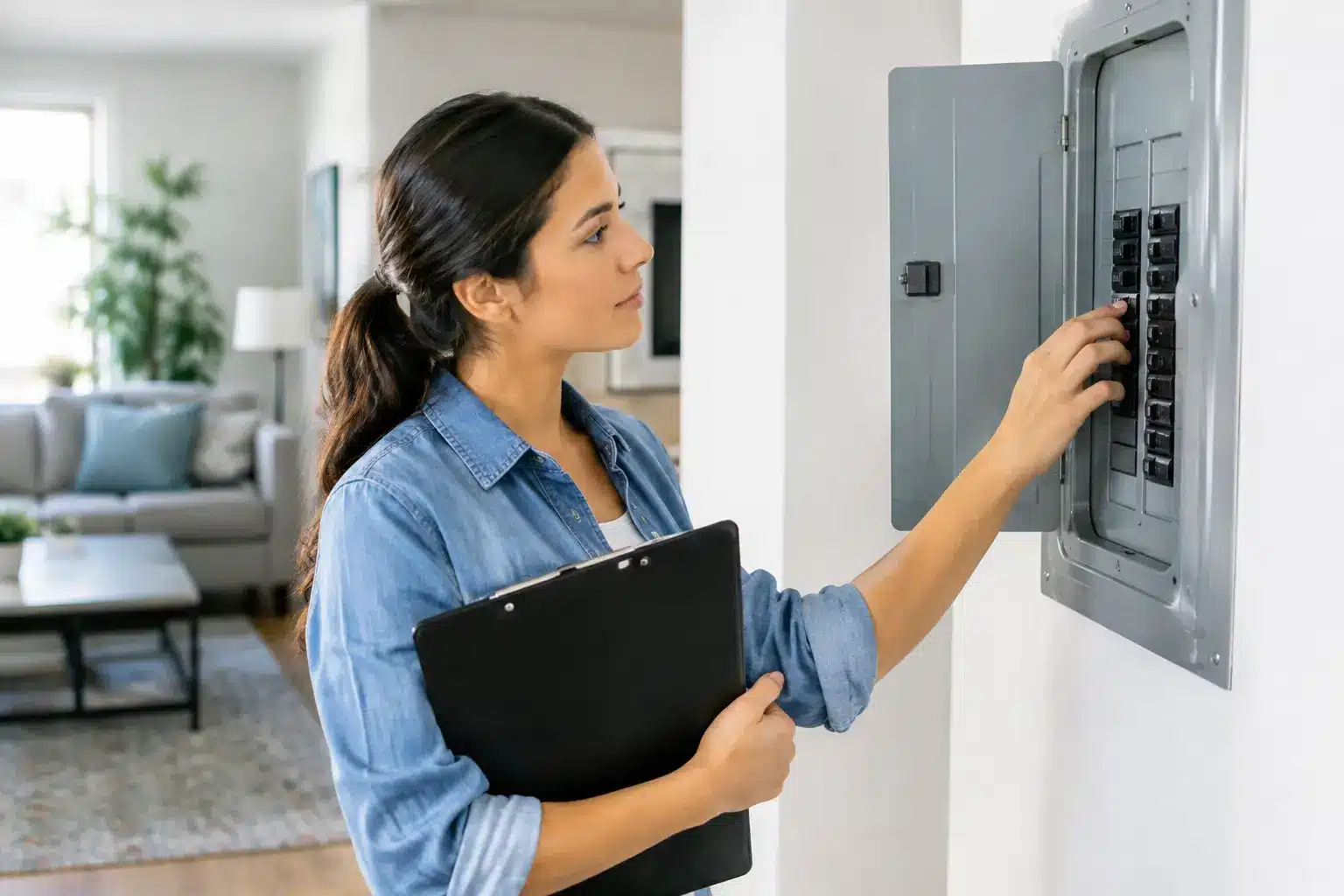
A burning smell from a socket, a shower that gives a tingle, or lights that repeatedly trip the fuse box are not minor inconveniences to live around. This tenant electrical safety responsibilities guide explains what you should report, what you can safely do yourself, and where your landlord’s legal duties begin in a rented London home.
Start with the right split of responsibility
In most rented homes, the landlord is responsible for keeping the fixed electrical installation safe. That includes the consumer unit, wiring, sockets, light fittings, switches and any hard-wired equipment they have supplied. In England’s private rented sector, landlords must have the electrical installation inspected and tested by a qualified person at least every five years, or sooner if the report says it is needed.
Tenants are responsible for using the installation sensibly, taking reasonable care of appliances they own and reporting defects promptly. You are not expected to diagnose an electrical fault or carry out repairs. Your job is to spot a problem, make the area safe where possible and tell the right person quickly.
The exact boundary can depend on your tenancy agreement and on who supplied an appliance. A washing machine that came with the flat will usually be the landlord’s responsibility to repair or replace if it fails through normal use. A washing machine you brought with you is normally yours to maintain. However, a fault with the socket, circuit or wiring remains an installation issue for the landlord to address.
Tenant electrical safety responsibilities: what to do day to day
Safe habits prevent a surprising number of call-outs and reduce the risk of fire or electric shock. Avoid overloading extension leads, especially with high-demand appliances such as kettles, heaters, air fryers, tumble dryers and microwaves. One extension lead plugged into another is a poor substitute for enough wall sockets and can quickly become unsafe.
Keep sockets, plugs and chargers dry, particularly in kitchens and bathrooms. Do not run leads under rugs, through doorways or where furniture can crush them. If a plug, lead or appliance is damaged, stop using it rather than taping it up or hoping it lasts until the end of the tenancy.
Tenants should also use supplied appliances in line with their instructions. Cleaning a tumble dryer filter, not blocking ventilation around a fridge freezer, and avoiding objects on top of an electric hob all help prevent faults. These are routine care tasks, not electrical repairs.
If you have altered anything in the property, such as fitting your own light fitting, installing a smart thermostat or mounting a television with concealed cables, check your agreement first. Electrical alterations can affect safety, insurance and the landlord’s compliance records. A qualified electrician should carry out any work involving fixed wiring.
Faults you should report without delay
Tell the landlord or managing agent as soon as you notice a suspected electrical problem, even if it seems to disappear. Put the report in writing and include the date, the room, what happened and whether a particular appliance was connected. A short video can be useful when lights flicker or a circuit trips intermittently.
Report these issues urgently:
- shocks, tingling or a buzzing sensation from taps, appliances, switches or sockets;
- burning smells, scorch marks, smoke, sparking or unusually hot plugs and sockets;
- circuits that trip repeatedly, especially when normal appliances are used;
- exposed wires, cracked sockets, loose light fittings or water near electrical equipment;
- a cooker, oven, extractor, shower or heating control that is not operating safely.
Do not keep resetting a tripped circuit breaker. One trip may be caused by a faulty appliance, but repeated tripping is a warning that needs proper fault finding. Unplug portable appliances if it is safe to do so, then report the issue. Do not remove the consumer unit cover or attempt to replace wiring yourself.
What counts as an emergency?
Sparks, smoke, visible flames, electric shock or signs of overheating require immediate action. If it is safe, switch off power at the consumer unit using the main switch or the affected circuit. Do not touch damaged equipment with wet hands and do not use water on an electrical fire. Move away from danger and contact the emergency services where there is fire, immediate risk or someone has been shocked.
For urgent but non-life-threatening faults, contact your landlord or their emergency maintenance route straight away. If they cannot respond and the property is unsafe, a qualified emergency electrician may be needed to isolate the danger. Keep records of all communications and any authorised work.
What landlords should provide in a London rental
A landlord must ensure the electrical installation is safe throughout the tenancy, not only on move-in day. They should arrange the required inspection and testing, remedy any faults identified within the required timeframe, and provide tenants with a copy of the electrical safety report. New tenants should receive the current report before they occupy the property.
The report is commonly called an EICR – an Electrical Installation Condition Report. It identifies the condition of the fixed installation and may recommend improvements, but not every observation means the property is immediately dangerous. Codes indicating danger or potential danger should be acted on without delay. If you are unsure what a report means, ask the landlord or agent to confirm what remedial work has been completed.
Landlords are also expected to keep supplied electrical appliances safe. There is no universal legal rule requiring portable appliance testing on a fixed annual schedule in every rented home, despite what many people assume. The practical requirement is that equipment provided is safe and maintained appropriately. A damaged supplied kettle, cooker cable or washing machine should therefore be reported and taken out of use.
Access is part of staying safe
A landlord normally needs to give at least 24 hours’ notice before entering for routine repairs or inspections, except in a genuine emergency. Tenants should provide reasonable access for electricians, safety inspections and agreed repairs. Refusing access can delay essential work and leave a known danger unresolved.
That does not mean you must accept vague appointments or repeated missed visits. Ask for a reasonable time window, the contractor’s details and confirmation of the work planned. If the issue affects essential equipment, such as the only cooker or a dangerous consumer unit fault, make this clear when reporting it.
For shared houses, report faults even when you think another occupier caused them. Electrical safety is not about assigning blame before the problem is made safe. A loose socket in a communal kitchen or a damaged shared extension lead can affect everyone in the property.
Avoid repairs that create a bigger problem
Changing a standard light bulb is usually reasonable tenant maintenance, provided the fitting is dry, intact and isolated at the switch. Beyond straightforward tasks, caution is the right approach. Replacing sockets, changing hard-wired light fittings, repairing oven cables or investigating a consumer unit are jobs for a competent electrician.
Be particularly careful with electric showers, immersion heaters, cookers and hobs. They use high electrical loads and often need isolation procedures that are not obvious from the appliance itself. If an appliance keeps tripping power, has a damaged cable or gives off a smell, stop using it. Do not swap fuses repeatedly or fit a higher-rated fuse to make it work.
If you believe the landlord is not dealing with a serious hazard, follow up in writing and retain photographs, reports and dates. You can seek advice from your local council’s private sector housing team or a tenants’ advice service. For immediate danger, the priority is always to isolate the risk and obtain qualified help.
A safe rented home relies on prompt reporting and professional repair, not guesswork. When an electrical fault is affecting a property in London, FaultFree Engineering Group can provide qualified fault finding, safety checks and clear advice so the next step is based on the actual condition of the installation.