
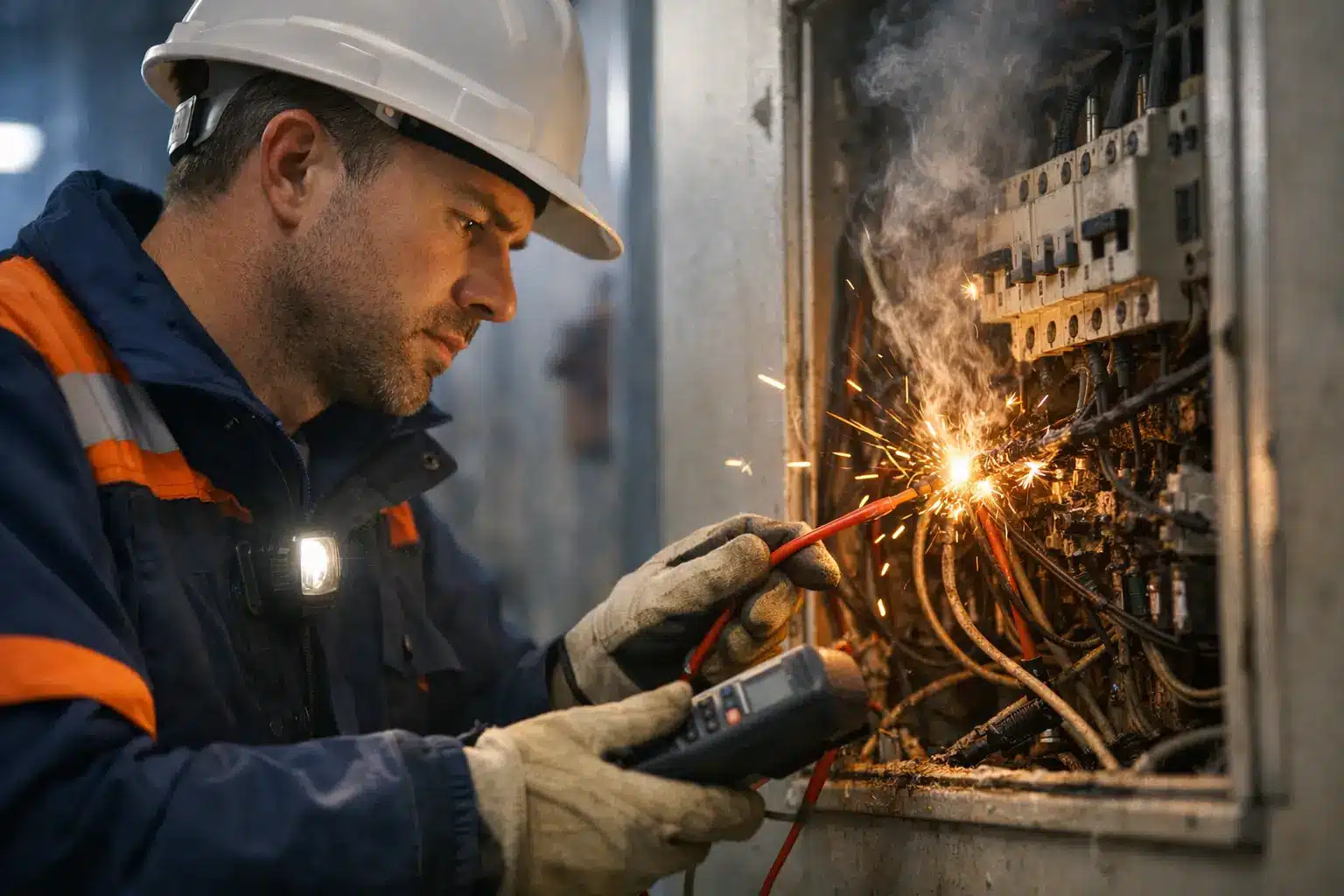
A burning smell from a socket, repeated tripping at the consumer unit, or lights failing without warning can turn an ordinary day into a safety concern. Emergency electrical fault repair is about making the property safe first, then finding the real cause without guesswork. For homeowners, landlords and businesses, a fast, certified response can prevent injury, fire risk, damaged equipment and longer disruption.
When an electrical fault is an emergency
Not every electrical issue needs an immediate callout. A single failed light fitting, for example, may be inconvenient but can usually wait if the circuit remains safe. The situation changes when there are signs of overheating, electric shock, water near electrical equipment, loss of essential power, or a fault that keeps returning after a reset.
Treat the issue as urgent if you notice burning plastic, smoke, sparking, buzzing from a socket or consumer unit, scorch marks, a tingling sensation from an appliance, or a circuit breaker that trips repeatedly. A sudden loss of power can also be critical where it affects a commercial premises, a rental property, heating controls, refrigeration or essential lighting.
The key distinction is not whether the fault is annoying. It is whether continuing to use the circuit, socket, appliance or installation could create a danger. If there is any doubt, stop using it and arrange professional help.
What to do before emergency electrical fault repair arrives
A calm first response helps protect people and gives the engineer a clearer starting point. Do not dismantle sockets, remove the consumer unit cover or keep resetting a breaker to see if it will hold. A breaker that trips is doing its job by cutting power when it detects a problem.
If it is safe to do so, switch off and unplug the affected appliance. Turn off the relevant circuit at the consumer unit, or use the main switch only if you cannot identify the circuit and there are clear signs of danger. Keep children, tenants, staff and pets away from the affected area.
Where water is involved, do not touch electrical equipment or attempt to isolate it while standing on a wet floor. If there is smoke, flames or an immediate threat to life, leave the area and contact the emergency services. An electrical engineer can diagnose and repair an installation fault, but fire and immediate danger must always be treated as an emergency-services situation.
It is useful to note what happened just before the fault began. Did the power fail when the oven was switched on? Did the RCD trip after a washing machine cycle started? Was work recently carried out in the property? These details can shorten diagnosis time, but never put yourself at risk to gather them.
Why circuits trip and sockets overheat
Electrical faults are not all alike, which is why a proper diagnosis matters. Replacing a socket or resetting an RCD may appear to solve the problem, yet the underlying fault can remain hidden in an appliance, cable, connection or circuit.
A circuit breaker may trip because of an overload, a short circuit or a faulty device. Overloads occur when too many high-demand appliances use one circuit at the same time. Short circuits can result from damaged wiring, loose connections or failed components. An RCD trip often points to current leaking to earth, which may be caused by moisture, damaged insulation or a fault within an appliance.
Overheating sockets and switches commonly result from loose terminals, worn accessories, overloaded extension leads or poor-quality adaptors. The heat can damage cables and connections over time, creating a more serious fault. A qualified engineer will test the circuit rather than simply replace the visible accessory and assume the issue has gone away.
Older properties can add another layer of complexity. A consumer unit may not provide the protection expected for a modern household, or previous alterations may have left circuits poorly identified. In these cases, the right repair may involve a targeted correction, further testing or a recommendation for an upgrade. The scope depends on the condition of the installation, not just the first symptom.
Appliance fault or fixed electrical fault?
This is one of the most common questions during an urgent callout. A dishwasher that trips the electrics may have an internal heating-element or wiring fault. Equally, the appliance may be sound and the socket circuit may be the problem. The same applies to cookers, electric hobs, washing machines, tumble dryers, fridge freezers and extractor hoods.
Unplugging an appliance and finding that the circuit then stays on can be a helpful clue, but it is not a final diagnosis. Some faults only appear when an appliance heats up, fills with water or starts a motor. An engineer with both appliance and electrical experience can test the equipment and the supply properly, reducing the risk of replacing the wrong part or leaving an unsafe circuit in service.
For landlords and managing agents, this distinction is especially valuable. It avoids delays between separate trades and helps get a rental property operating safely again with a clear record of what was found and repaired.
What a professional emergency repair should include
Emergency work should not mean rushed work. The first priority is isolating the danger and restoring safe power where possible. After that, the engineer should carry out methodical fault finding using suitable test equipment, inspect relevant connections and identify whether the fault sits in the installation, an accessory or connected equipment.
A reliable repair process normally includes four practical stages:
- Making the affected circuit or equipment safe and checking for obvious heat damage, loose connections or water ingress.
- Testing the circuit and protective devices to identify the cause of tripping, loss of supply or abnormal readings.
- Repairing or replacing faulty components where appropriate, then retesting the work before power is restored.
- Explaining what failed, what has been done and whether any further work is advisable for long-term safety.
There are occasions when a permanent repair cannot be completed immediately, such as when a specialist part is required or wider damage is discovered. In that case, the engineer should leave the installation in a safe condition, be clear about the temporary arrangement and explain the next steps. Transparent advice is more useful than a quick fix that fails days later.
Common mistakes that make faults worse
The most expensive electrical faults often become worse because warning signs were ignored. Repeatedly resetting an RCD, using a socket that feels warm, or relying on extension leads to compensate for inadequate outlets can turn a manageable repair into damaged wiring or a wider loss of power.
Avoid using damaged plugs, leads or adaptors, particularly around kitchens, utility rooms and commercial workspaces. Do not run cables under rugs or pinch them behind furniture. If an appliance has caused a trip, do not reconnect it until it has been checked, even if it appears to run normally afterwards.
For businesses, avoid asking staff to improvise repairs or keep a suspect circuit in use to maintain operations. The short-term saving is rarely worth the safety risk, equipment damage or potential downtime that follows.
Emergency support for London properties
London properties often present practical challenges: shared supplies, older wiring, converted flats, high-demand kitchens and limited access for maintenance. Fast fault finding is valuable, but it must be backed by careful testing and clear communication.
FaultFree Engineering Group provides electrical fault finding and emergency callouts alongside domestic appliance repair. This combined capability is useful when the cause is unclear, such as a cooker circuit that trips, a washing machine that affects the RCD, or a socket fault that may be linked to an appliance. Certified engineers can assess the full picture, advise on the safest repair and work towards a durable first-time fix wherever possible.
If you manage a property, keep a simple record of previous electrical issues, consumer unit changes and appliance repairs. It gives the attending engineer useful context and can help identify recurring faults before they become an emergency.
A safe electrical installation should be quiet, dependable and easy to take for granted. When it stops being any of those things, isolate the risk, avoid DIY repairs and get the fault checked properly. The right response protects more than the circuit – it protects the people and property relying on it.