
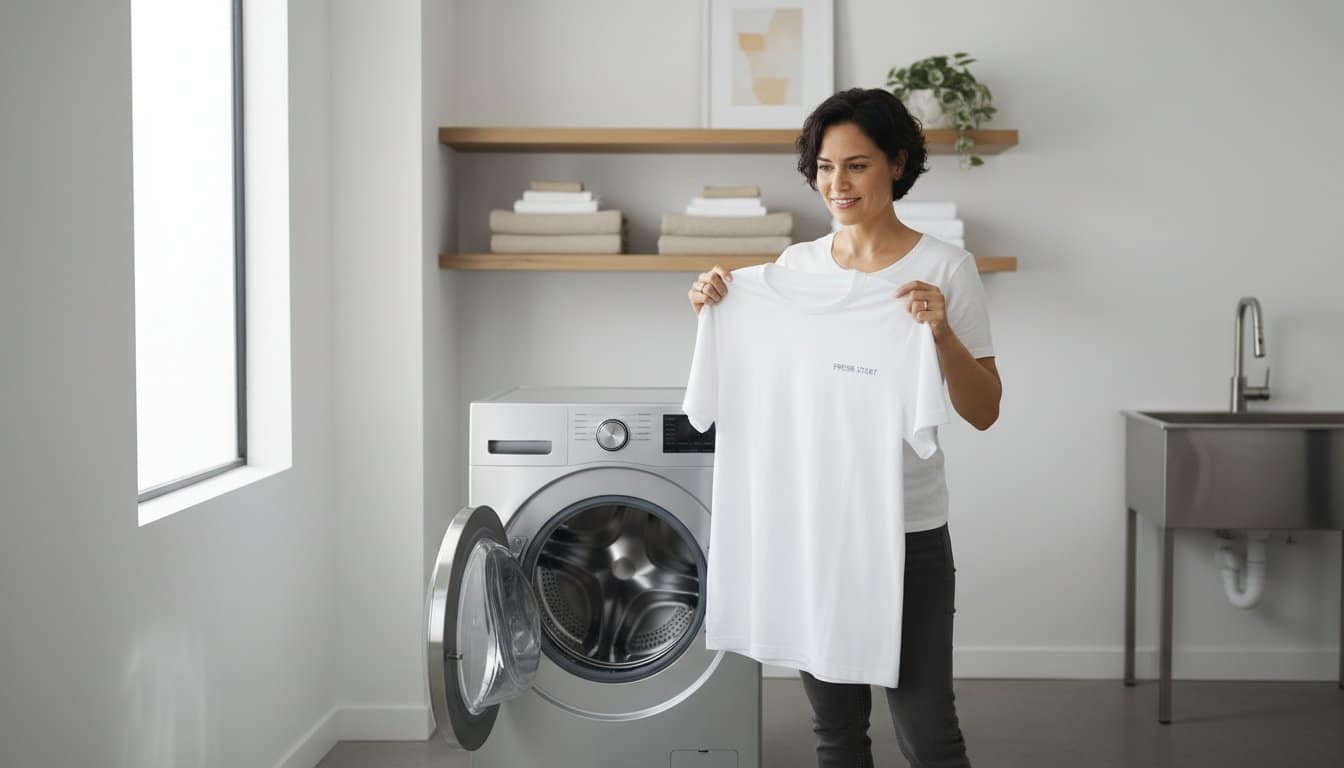
You pull a fresh load of laundry from the machine, expecting the clean scent of your favourite detergent, but instead, you’re hit with a damp, musty odour. That lingering smell doesn’t just cling to your clothes; it can fill your utility room and leave you feeling frustrated and embarrassed. If you’re constantly asking, why does my washing machine smell bad, you are not alone. It’s a common household problem that can make you worry about a hidden, expensive fault developing within your appliance.
The good news is that you can often solve the problem quickly and affordably. In this professional guide, we diagnose the five most common causes of a smelly washer, from built-up grime to a blocked filter. We provide a clear, step-by-step plan to eliminate the odour for good, restore that fresh scent to your laundry, and show you exactly how to prevent it from ever coming back. Let’s get your machine running and smelling like new again.
Key Takeaways
- The answer to why does my washing machine smell bad is often a simple buildup of mould, bacteria, and detergent residue in key areas.
- Eliminate foul odours at the source with our step-by-step guide to deep cleaning your machine using common household items.
- Discover simple changes to your laundry routine that effectively prevent moisture and residue buildup, keeping odours from coming back.
- Learn to identify when a persistent bad smell points to a drainage issue or mechanical fault that requires a professional diagnosis.
The Main Culprits: Uncovering the Source of Washing Machine Smells
Opening your washing machine to a wave of unpleasant smells is a frustrating problem. If you’re wondering why does my washing machine smell bad, the answer almost always lies in a hidden buildup of bacteria, mould, and residue. This is particularly common in front-loading machines, where the airtight door seal can trap moisture. Understanding exactly where the odour is coming from is the first and most critical step to implementing a lasting solution and getting your appliance back to running efficiently. Below, we diagnose the three main culprits.
1. Mould and Mildew in the Door Seal (Gasket)
The rubber seal, or gasket, around your machine’s door is the number one suspect for musty smells. Its flexible folds are a prime spot for trapping moisture after every wash, creating the perfect damp environment for mould and mildew to thrive. Over time, lint, hair, and soap scum accumulate in these crevices, providing a food source for bacteria. This results in that unpleasant, damp odour that can transfer directly to your clean clothes.
2. Detergent and Fabric Softener Residue
Using too much detergent or fabric softener is a common mistake that directly contributes to bad odours. Excess product doesn’t get fully rinsed away, leaving behind a slimy, soap-scum film inside the drum, pipes, and other unseen parts. Liquid fabric softeners are particularly known for creating a waxy residue that traps bacteria and foul smells. Proper Washing machine maintenance, including using the correct amount of detergent, is essential to prevent this buildup.
3. A Clogged Filter or Blocked Drain Pipe
If the smell is more like stagnant water or sewage, the problem likely lies with your filter or drain pipe. Your machine’s pump filter is designed to catch debris like coins, hair clips, and lint. If not cleaned regularly, this trapped material can begin to decompose and smell foul. Similarly, a partially blocked drain pipe prevents water from draining completely, leaving stagnant, smelly water at the bottom of your machine. This can also lead to poor draining performance and other faults.
Your Step-by-Step Guide to Deep Cleaning a Smelly Washing Machine
If you’re constantly asking, “why does my washing machine smell bad?”, it’s time to tackle the problem at its source. Foul odours are almost always caused by a build-up of bacteria, mould, and old detergent residue hidden within your machine. Fortunately, you can eliminate them with a simple deep clean using common household items.
Follow these four straightforward steps to restore your machine to a fresh, clean state. For dependable results, we recommend performing this deep clean every 3 to 6 months to keep your appliance running smoothly and your laundry smelling great.
Step 1: Clean the Rubber Door Seal and Glass
The rubber seal (or gasket) is a prime location for mould and grime to accumulate. Mix a solution of equal parts white vinegar and water, or a mild solution of one part bleach to ten parts water. Gently pull back the rubber folds and use a cloth to wipe away all the hidden residue. For stubborn mould spots, an old toothbrush is a perfect tool. Don’t forget to wipe the inside of the door glass as well.
Step 2: Remove and Scrub the Detergent Drawer
The detergent drawer is another hotspot for caked-on soap and fabric softener, which can quickly turn mouldy. Remove the entire drawer from the machine. You may need to press a release catch-consult your appliance manual if you’re unsure. Soak the drawer in hot, soapy water for 10-15 minutes to loosen the gunk, then use a small brush to scrub every compartment clean. Rinse it thoroughly before placing it back in the machine.
Step 3: Run a Hot Maintenance Wash (Service Cycle)
Now it’s time to clean the parts you can’t see. Ensure the drum is completely empty of any laundry. Pour two cups of white vinegar directly into the drum. Select the hottest, longest wash cycle your machine offers, such as a 90°C cottons or hygiene cycle. Running this hot “service wash” will descale, sanitise, and flush out any lingering bacteria and residue from the drum and internal pipes.
Step 4: Locate, Empty, and Clean the Filter
Important: Always unplug your washing machine from the wall before accessing the filter. The filter traps lint, coins, and other debris, and a blockage here is a common reason why your washing machine might smell bad. It is typically located behind a small flap at the bottom front of the appliance. Place a shallow tray and a towel underneath to catch any trapped water. Slowly unscrew the filter, allowing the water to drain out, then remove it completely. Rinse it under a running tap until it is free of all debris, then screw it securely back into place.
How to Keep Your Washing Machine Smelling Fresh: 4 Prevention Habits
Once you have thoroughly cleaned your machine, the key is prevention. A few simple adjustments to your laundry routine can stop odours from returning, ensuring your appliance runs efficiently and your clothes smell genuinely clean. The goal is straightforward: reduce moisture and prevent the buildup of detergent and grime. Adopting these habits is the most effective way to avoid wondering why does my washing machine smell bad in the future.
Habit 1: Leave the Door and Drawer Ajar After Use
This is the single most important habit to adopt. Leaving the door slightly open allows air to circulate inside the drum, drying out any residual moisture. This simple action prevents the dark, damp environment where mould and mildew thrive. Do the same for the detergent drawer. For safety, please avoid this practice if you have curious small children or pets in your home.
Habit 2: Use the Right Amount of High-Efficiency (HE) Detergent
Modern washing machines are designed to use very little water, which means they also require far less detergent than older models. Using too much soap creates excess suds that don’t rinse away completely, leaving a sticky residue that traps bacteria. Always follow the dosage instructions on your HE detergent packaging. Consider these tips:
- Use less for soft water: If you live in a soft water area in the UK, you need even less detergent.
- Ditch liquid fabric softener: This is a major cause of waxy buildup. Switch to wool dryer balls for a softer, residue-free finish.
Habit 3: Remove Clean Laundry Promptly
Letting a damp load of laundry sit in the machine, even for just a few hours, creates a humid breeding ground for musty smells. That dampness can quickly transfer to the machine itself. Get into the habit of setting a timer on your phone or kitchen speaker to remind you the moment the cycle finishes. Transfer clothes to the dryer or washing line immediately.
Habit 4: Run a Regular Maintenance Wash
Think of this as a service for your machine. Once a month, run an empty cycle on the hottest setting (ideally 60-90°C). You can use a dedicated washing machine cleaner, or a cup of white vinegar placed directly in the drum, to break down limescale, soap scum, and kill any lingering bacteria. This proactive clean is crucial for preventing the long-term buildup that causes persistent bad smells.
If you’ve followed these preventative steps and deep-cleaned your appliance but the smell persists, it may indicate a more serious issue with the drain pump or filter. For a professional diagnosis and a lasting fix, our qualified engineers are ready to help. Contact FaultFree Engineering Group for a fast, reliable repair.
When DIY Cleaning Isn’t Enough: Signs You Need a Professional
You’ve scrubbed the seal, cleaned the filter, and run the hottest service wash, but the unpleasant odour remains. While regular maintenance solves most smell issues, a persistent stench can be a symptom of an underlying mechanical fault. Ignoring these warning signs can lead to more significant damage, leaks, and costly repairs down the line. If you’ve deep-cleaned your machine and the smell just won’t quit, it’s time to call a professional.
The Smell Persists or Returns Immediately
A deep clean should leave your machine smelling fresh for weeks. If the bad smell comes back right away, the problem likely lies beyond your reach. The blockage causing the odour may be deep within the drain hose or standpipe, where old, stagnant water is trapped. Alternatively, it could signal a fault with the drain pump itself, preventing it from expelling all the dirty water. A qualified engineer can safely inspect and flush the entire drainage system to eliminate the source of the smell for good.
Your Machine Isn’t Draining Water Properly
One of the most obvious signs of a serious issue is a pool of water left in the drum after a cycle finishes. This is a clear red flag that your machine cannot drain effectively. The culprit is usually a severe blockage in the filter or drain hose, or a failing pump motor. Attempting to dismantle the drainage system yourself is risky and can easily lead to flooding your kitchen or utility room.
You Hear Gurgling Noises or See Error Codes
Your washing machine communicates problems through sounds and signals. If you’ve done everything and are still asking why does my washing machine smell bad, these mechanical signs are your answer. Key warnings include:
- Gurgling Sounds: Loud gurgling from the drain area during or after a cycle indicates the pump is struggling to force water through a blockage.
- Error Codes: Modern machines will often display specific error codes related to drainage faults. These are direct warnings that something is wrong and shouldn’t be ignored.
Get a Fast, Professional Diagnosis in London
Stop guessing and get a definitive answer. The certified engineers at FaultFree Group specialise in diagnosing and fixing the complex issues that cause persistent odours. We can quickly pinpoint whether the problem is a deep blockage, a failing pump, or another hidden fault. With same-day and next-day appointments available across London, we’ll have your appliance running cleanly and smelling fresh again in no time.
Don’t let a faulty machine disrupt your home. Book your washing machine repair with FaultFree Group.
Your Final Step to a Fresh-Smelling Washing Machine
A smelly washing machine is a common household problem, but it doesn’t have to be a permanent one. Now that you understand why does my washing machine smell bad-typically due to mould, mildew, and detergent buildup-you have the power to fix it. By following a consistent cleaning schedule and adopting the preventative habits we’ve outlined, you can keep those unpleasant odours from returning.
However, if you’ve deep-cleaned your machine and the smell still lingers, it could signal a deeper issue like a blocked filter or a problem with the drain pump. When DIY fixes aren’t enough, a professional diagnosis is the fastest and safest solution. Don’t let a persistent odour disrupt your home.
The certified London engineers at FaultFree Group are ready to help. We offer Same-Day & Next-Day Availability and transparent, upfront pricing to deliver a dependable solution. Smell Still Sticking Around? Book a Same-Day Washing Machine Repair in London.
Take back control of your laundry routine and enjoy the confidence of truly fresh, clean clothes with every single wash.
Frequently Asked Questions
How often should I clean my washing machine to prevent smells?
For optimal performance and to prevent odours, we recommend cleaning your washing machine once a month. This involves running a hot, empty cycle with a dedicated machine cleaner or a mixture of white vinegar and bicarbonate of soda. Regular cleaning removes detergent residue and bacteria, ensuring your machine stays fresh and efficient. This simple routine is the most effective way to maintain your appliance and keep your home running smoothly.
Can I use bleach to clean my washing machine?
Yes, you can use bleach, but it must be done correctly and with caution. Use a small amount of bleach (around 60ml) diluted in a full, hot water cycle without any laundry. It is critical that you never mix bleach with other cleaners, as this can create toxic gas. While effective, some manufacturers advise against it, so always check your appliance manual first. A dedicated machine cleaner is often a safer and equally effective alternative.
Why do my clothes smell worse after I’ve washed them?
If your clothes smell musty after washing, it is a clear sign that your machine itself needs cleaning. The unpleasant odour is caused by a build-up of mould, mildew, and bacteria inside the drum, seal, and detergent drawer. This biofilm then transfers to your “clean” clothes during the wash cycle. This is a common reason why your washing machine smells bad, but a thorough maintenance clean as described in our guide will quickly resolve the issue.
Is it okay to leave wet clothes in the washer overnight?
We strongly advise against leaving wet clothes in the washer overnight. The damp, warm environment is a perfect breeding ground for mould and mildew, which will quickly make both your clothes and the machine drum smell sour. To keep everything fresh, it is best practice to move your laundry to the dryer or washing line as soon as the cycle finishes. This simple habit prevents odour problems before they can even start.
Does the type of detergent I use really matter for preventing odours?
Yes, your choice of detergent and how much you use are crucial. Using too much liquid detergent or fabric softener can leave a sticky residue that feeds mould and creates a foul smell. Powder detergents are often less likely to cause this build-up. For high-efficiency (HE) machines, always use HE-specific detergent. Using the correct type and amount is a key step in preventing the conditions that cause odours in your appliance.
What is that grey sludge in my washing machine’s door seal?
That grey, slimy sludge is a combination of undissolved detergent, fabric softener, lint, and mildew. It thrives in the damp folds of the rubber door seal (gasket) and is a primary source of bad odours. You can clean it by carefully wiping the seal, including under the fold, with a cloth dipped in a solution of white vinegar and water or a dedicated machine cleaning product. Regular wiping after your washes will prevent it from returning.
Tags: appliance care, cleaning tips, DIY, home cleaning, home maintenance, laundry, odour removal, washing machine, washing machine maintenance
Very quickly this web site will be famous among all blogging and site-building people, due to it’s nice posts
If you wish for to increase your knowledge
simply keep visiting this site and be updated
with the most up-to-date information posted here.
What’s up, just wanted to mention, I liked this post.
It was helpful. Keep on posting!
thanks for checking in and hope you find our blogs more helpful
If you would like to obtain a great deal from this post then you have to
apply these techniques to your won website.
indeed beyond technics you can always call us for more support and help
Wow, fantastic blog layout! How long have you ever been running a blog for?
you made blogging look easy. The entire glance of your site is
fantastic, let alone the content material!
magnificent points altogether, you just won a new reader.
What may you recommend about your put up that you just made a few days ago?
Any certain?
If some one wants to be updated with newest technologies then he must be pay
a quick visit this website and be up to date all the time.
Thanks for the compliment and thanks for checking in.
Wow, amazing blog layout! How long have you been blogging for?
you make blogging look easy. The overall look of your web site is great,
let alone the content!
thanks
This is a topic that is near to my heart… Thank you!
Where are your contact details though?
HELLO
here are the contact details.
mob/whatsapp +447801221738
Tel: 02080920440
services@faultfreegroup.co.uk
Hi there, just wanted to mention, I enjoyed this post. It was practical.
Keep on posting!
thanks.cheers
I think that is among the such a lot important information for me.
And i’m happy studying your article. However want to observation on some normal
things, The website taste is perfect, the articles is in point
of fact great : D. Good task, cheers
Attractive section of content. I just stumbled upon your weblog and in accession capital to
claim that I get actually enjoyed account your weblog posts.
Anyway I’ll be subscribing for your augment and
even I achievement you get entry to consistently fast.
It’s going to be finish of mine day, but before finish I am
reading this impressive article to increase my know-how.
I don’t even understand how I finished up right here, however I thought this put up was once great.
I do not realize who you are but certainly you’re going to a well-known blogger in case you aren’t already.
Cheers!
whoah this weblog is wonderful i love studying your posts.
Keep up the good work! You already know, a lot of individuals are
hunting around for this info, you could help them greatly.
thanks and we provide more beyond in the applaince repair industry and electical installations, providing first hand information with proffessionalism and experience.
What’s up it’s me, I am also visiting this site on a regular
basis, this web site is truly nice and the people are truly sharing nice thoughts.
Hello
thanks for visiting us as we look forward to provide more helpful blogs to all our visitors and followers you can follow us on our facebook page as well or else you can subscribe to our blogs
What’s up to all, how is everything, I think every one is
getting more from this web site, and your views are nice designed for new people.
This is really attention-grabbing, You’re a very professional blogger.
I’ve joined your feed and sit up for in the hunt for more of
your magnificent post. Also, I have shared your website
in my social networks
Thanks for checkingIn and sharing.
I have read a few just right stuff here. Definitely value bookmarking
for revisiting. I surprise how much attempt you put to create this type of fantastic informative
website.
Hello
Thanks for checking on our blogs and we endeavour to provide more helpful blogs.
cheers
I pay a visit day-to-day a few blogs and sites to
read articles, but this blog presents quality
based writing.
Hello
Appreciate your insight.thanks for your feedback
Hi there, I enjoy reading through your article post.
I wanted to write a little comment to support you.
hello
thanks and appreciate your time invested in us and support.
Mgt
I do not even know how I ended up here, but I thought this post was great.
I do not know who you are but definitely you are going to a famous blogger if you are not already 😉 Cheers!
My brother suggested I might like this website.
He was totally right. This post truly made my day.
You can not imagine just how much time I had spent for this
info! Thanks!
After looking over a few of the blog articles on your site, I seriously like your way of
writing a blog. I saved as a favorite it to my
bookmark site list and will be checking back soon. Please check out my
website too and tell me how you feel.
Great beat ! I would like to apprentice while you amend your website, how could i subscribe for a blog site?
The account helped me a appropriate deal. I were a little bit familiar of this your broadcast provided vibrant transparent concept
Hello
its pleasure to see that our blog was helpful and relevant you can always follow us on our facebook page “faultfree engineering group ” for such posts and blogs and a link for subscription will be shared soon.
I am truly delighted to read this weblog posts which consists
of plenty of helpful data, thanks for providing these data.
our pleasure to always provide good info to uour webpage followers
Thank you, I have just been searching for info about this subject for a long time and yours
is the best I have discovered so far. However, what about
the bottom line? Are you positive about the source?
I have fun with, result in I found just what I used to be taking a
look for. You have ended my four day lengthy hunt! God Bless you man. Have a great day.
Bye
I do not even know how I ended up here, but I thought
this post was great. I do not know who you are but definitely you are going to a famous blogger
if you are not already 😉 Cheers!
We look at equipping all our page visitors with vital information as much as we can